Mind Meld: Integrating Retro Psychedelic Design into Modern Creative Workflows
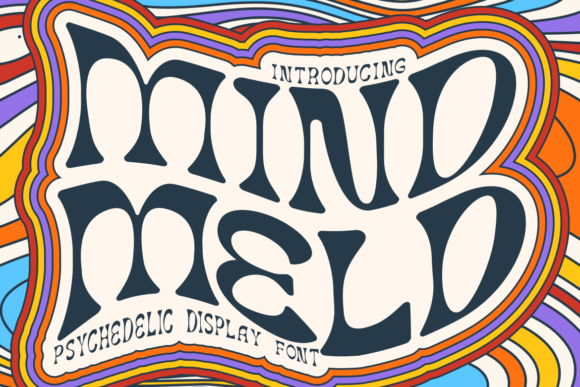
In the fast-paced world of digital design, trends often cycle with predictable regularity. However, the resurgence of 1980s aesthetics is not merely a nostalgic nod; it represents a strategic choice for brands and creators seeking to cut through the noise of minimalist flat design. Mind Meld, a psychedelic display font that captures the groovy essence of this era, serves as more than just a typographic asset. It is a functional tool for visual communication that, when integrated correctly into your design workflow, can significantly enhance brand recall and audience engagement. Understanding how to deploy Mind Meld effectively requires moving beyond simple aesthetic appreciation and toward a structured approach to implementation.
Defining the Role of Display Typography in Project Planning
Before opening any design software, successful creatives establish the hierarchy of their visual elements. Mind Meld belongs firmly in the category of display typography. Unlike body text fonts designed for readability over long passages, display fonts are engineered for impact at larger sizes. Recognizing this distinction is crucial during the initial planning phase of any project.
When you introduce Mind Meld into your creative process, you are making a deliberate decision to prioritize emotional resonance and stylistic flair. This font features bold, fluid lines that evoke a sense of movement and energy. Therefore, it should be reserved for elements that require immediate attention: headlines, logos, poster titles, and packaging fronts. By defining these boundaries early in your project roadmap, you prevent the common pitfall of overusing decorative typefaces, which can lead to visual clutter and reduced legibility.
Pre-Production: Asset Compatibility and Technical Preparation
Integrating a new typeface like Mind Meld into an existing workflow begins with technical due diligence. Modern design ecosystems rely on seamless compatibility between various software platforms. Whether you are working in Adobe Illustrator for vector-based logo design, Photoshop for raster-based posters, or InDesign for multi-page layouts, ensuring that Mind Meld renders correctly across these environments is essential.
- File Format Verification: Confirm that the font files (typically OTF or TTF) are installed correctly on all machines involved in the production pipeline. This prevents missing font errors during handoffs between team members.
- Licensing Review: Before commercial application, verify the licensing terms. Understanding whether the license covers web use, print runs, or merchandise production avoids legal complications later in the project lifecycle.
- Pairing Strategy: Select complementary body fonts during the pre-production phase. Because Mind Meld is highly stylized, it pairs best with clean, neutral sans-serifs or simple serifs that do not compete for attention. Establishing this pairing early ensures consistency throughout the design.
Execution: Applying Mind Meld Across Different Media
Once the foundational planning is complete, the execution phase involves applying Mind Meld to specific deliverables. Its versatility allows it to function effectively in both digital and print contexts, but each medium presents unique challenges and opportunities.
Branding and Identity Systems
In branding projects, Mind Meld acts as a cornerstone for visual identity. When designing a logo, the fluid nature of the font can convey creativity and approachability. However, scalability is a critical factor. Test the logo at various sizes, from large storefront signage to small social media avatars. The intricate details of psychedelic designs can sometimes lose clarity when scaled down. If necessary, create a simplified version of the logotype for smaller applications while retaining the full Mind Meld expression for larger formats.
Packaging and Product Design
For product packaging, Mind Meld offers a tactile quality that translates well to physical materials. The bold strokes of the font interact dynamically with printing techniques such as foil stamping, embossing, or spot UV coating. During the design process, consider how the ink will sit on the substrate. A high-contrast color palette often enhances the retro vibe, but ensure that the text remains legible against complex background patterns. Use Mind Meld for the product name or key selling points, allowing the surrounding design elements to support rather than overwhelm the typography.
Digital Interfaces and Web Design
While primarily a display font, Mind Meld can be utilized in digital spaces if handled with care. In web design, use it sparingly for hero sections, banner headers, or call-to-action buttons. Avoid using it for navigation menus or body content, where readability is paramount. When implementing Mind Meld on the web, ensure proper loading protocols are in place to prevent layout shifts. Convert the font to web-friendly formats like WOFF2 to optimize load times without sacrificing visual quality.
Workflow Integration: Collaboration and Feedback Loops
Design is rarely a solitary endeavor. When working with clients or cross-functional teams, clear communication about the role of Mind Meld is vital. Present the font within the context of the overall design system. Show mockups that demonstrate how the font interacts with imagery, color palettes, and other graphical elements. This holistic view helps stakeholders understand the strategic intent behind the typographic choice.
During review cycles, focus feedback on legibility and brand alignment rather than subjective personal taste. Ask specific questions: Does the headline capture attention? Is the message clear? Does the retro aesthetic align with the target demographic? By framing the discussion around objectives and outcomes, you streamline the approval process and maintain the integrity of the design vision.
Quality Control and Long-Term Consistency
Maintaining consistency across multiple touchpoints is a hallmark of professional design. Once Mind Meld is established as part of your brand’s visual language, document its usage in a style guide. Specify minimum sizes, acceptable color combinations, and spacing rules (kerning and leading). This documentation serves as a reference for future projects, ensuring that the font is used consistently by different designers or agencies over time.
Regularly audit your materials to ensure adherence to these guidelines. As your brand evolves, you may find new applications for Mind Meld, such as in animated graphics or video titles. The fluid lines of the font lend themselves well to motion design, where the letters can appear to flow or morph. Explore these dynamic possibilities while keeping the core principles of legibility and brand alignment in mind.
Maximizing Impact Through Strategic Application
The true value of Mind Meld lies in its ability to evoke emotion and create a memorable visual experience. By treating it as a strategic component of your design workflow rather than a mere decorative element, you unlock its full potential. From the initial planning stages to final production and long-term brand management, a disciplined approach ensures that this psychedelic display font enhances your work without compromising functionality.
Whether you are crafting an invitation that sets the tone for an unforgettable event, designing a poster that turns heads, or creating a children’s book that sparks imagination, Mind Meld provides the authentic retro flair needed to stand out. Its compatibility with diverse media and its dynamic character make it a reliable tool for creatives who understand the importance of thoughtful integration. By following these practical guidelines, you can seamlessly incorporate Mind Meld into your repertoire, delivering designs that are not only visually striking but also strategically sound.
Remember, the goal is not just to use a trendy font, but to solve communication problems with style and precision. Mind Meld offers a unique solution for those looking to infuse their projects with energy and nostalgia. With careful planning, technical preparation, and consistent application, it becomes an indispensable asset in your creative toolkit, helping you achieve lasting impressions in a crowded visual landscape.